Every plan starts from their profile — diabetes type, age, weight, allergies, dislikes and food preferences — and the menu adapts to steady blood sugar and satisfying meals.
Condition-aware
Diabetes, heart failure, CKD, dementia, hypertension, dysphagia and 16 more — each plan is built around the dietary guidance for that condition, and caregivers should review it with the treating clinician.
Allergy & dislike aware
Tell us what to avoid — allergens, disliked foods, texture limits — and the system screens them out of the menu. Caregivers should still review every ingredient label and confirm important restrictions with a clinician or pharmacist.
Age & nutrition needs
Plans account for age, weight and activity to hit the right calories and protein for healthy aging.
Drug–food interaction alerts
If your loved one takes medication — statins, levodopa, blood thinners — the plan highlights foods that may interfere, so you can check with the prescribing doctor or pharmacist.
You don't need to fill out forms alone. Ask NutriHearth in plain words — or just speak — and it answers, explains, and builds the menu for you.
Voice input
Speak your question in English, Chinese, Japanese, Korean or Spanish — the app understands what you say and replies.
Generate the menu for you
Say "my mom has type 2 diabetes and doesn't like fish" — it fills in the profile and generates a matching 7-day plan automatically.
Explain any meal
Ask "why is this dinner good for her?" — it walks you through the calories, nutrients and the condition-specific reasoning behind each recipe.
Adjust & recommend
Say "swap tomorrow's breakfast" or "suggest something higher in protein" — it revises the plan and recommends alternatives on the spot.
The science behind each plan comes from peer-reviewed literature — not opinion or trends. The diabetes plan follows the American Diabetes Association Standards of Care.
Standards of Care in Diabetes—2026 (ADA)
ADA guidance: emphasize low-glycemic-index foods, non-starchy vegetables, whole fruits, legumes and whole grains; limit added sugars.
ADA Diabetes & Nutrition Recommendations
Choose more non-starchy vegetables, lean or plant-based proteins and quality carbohydrates; limit added sugars and refined grains.
Low-glycemic carbs
Plans feature whole grains, legumes and non-starchy vegetables that release glucose slowly.
Fiber-forward
High-fiber meals support steadier blood sugar and better satiety between meals.
What the science says about Type 2 Diabetes
The 2026 ADA Standards emphasize individualized nutrition therapy, nutrient-dense high-fiber carbohydrate sources, non-starchy vegetables, whole fruits, legumes, whole grains, nuts, seeds and lean proteins. Mediterranean-style eating patterns that include fatty fish may support cardiovascular health; routine omega-3 supplementation is not recommended for glycemic control or general cardiovascular risk reduction.
Summarized from peer-reviewed sources reviewed by NutriHearth — see references above for the full citations.
What this plan emphasizes
Low-glycemic carbs
Plans feature whole grains, legumes and non-starchy vegetables that release glucose slowly.
Fiber-forward
High-fiber meals support steadier blood sugar and better satiety between meals.
| Day | Breakfast | Lunch | Dinner | Snack |
|---|---|---|---|---|
| 1 | 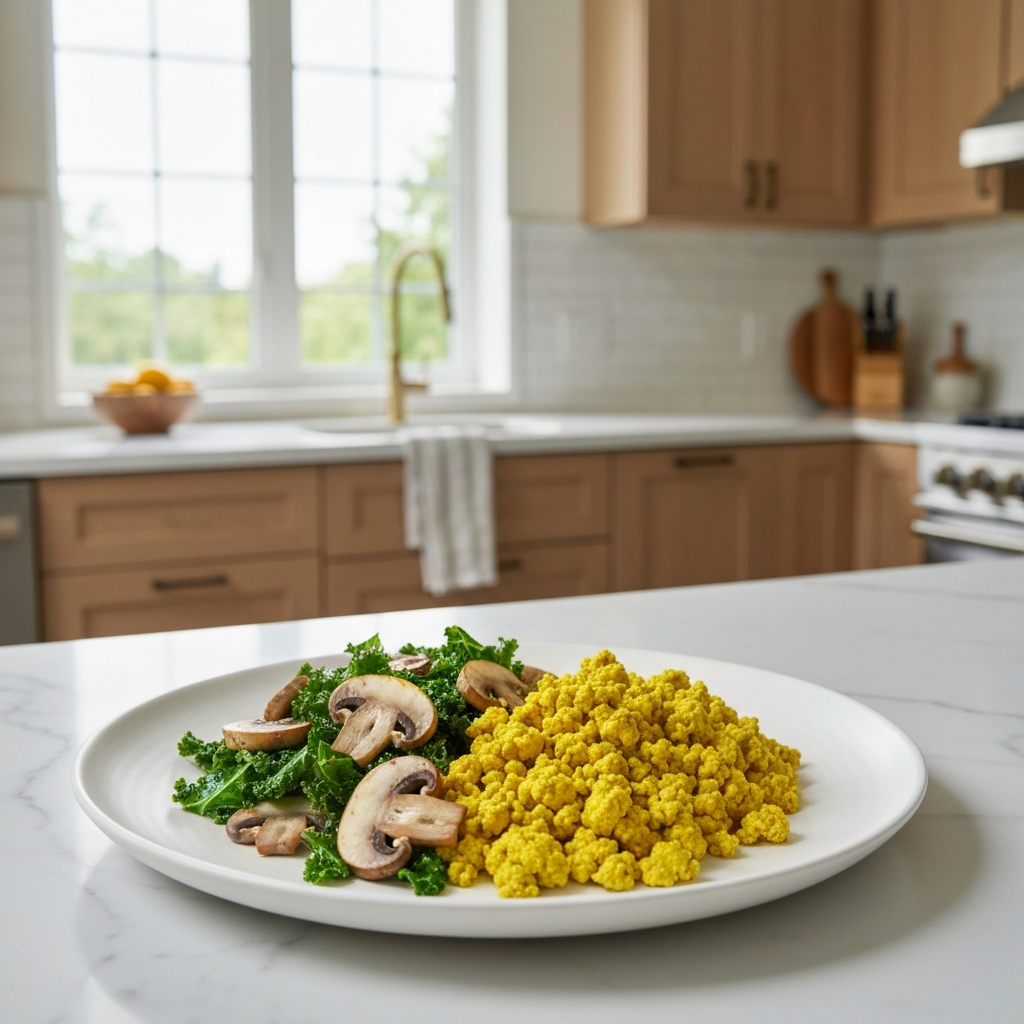 | 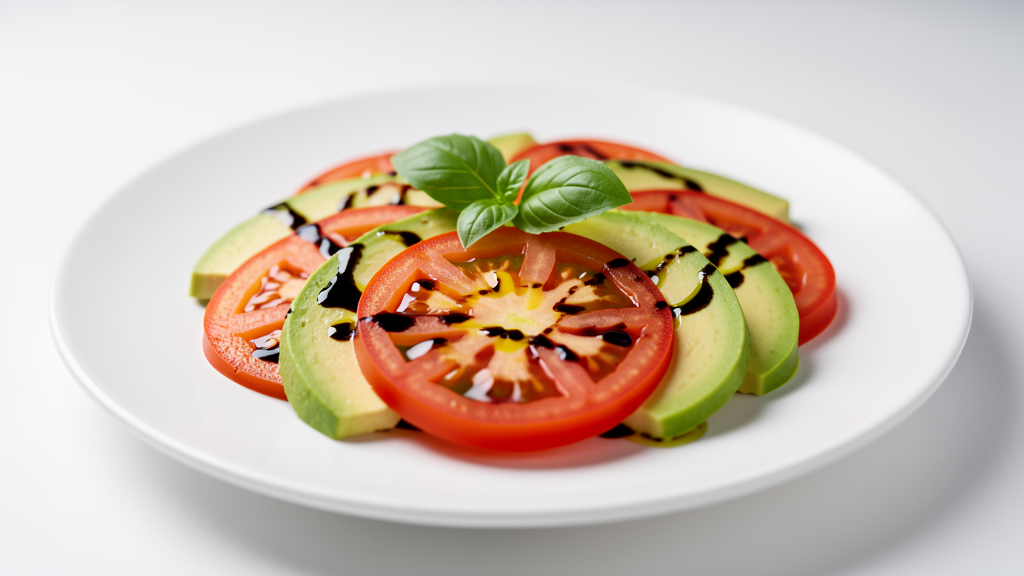 | 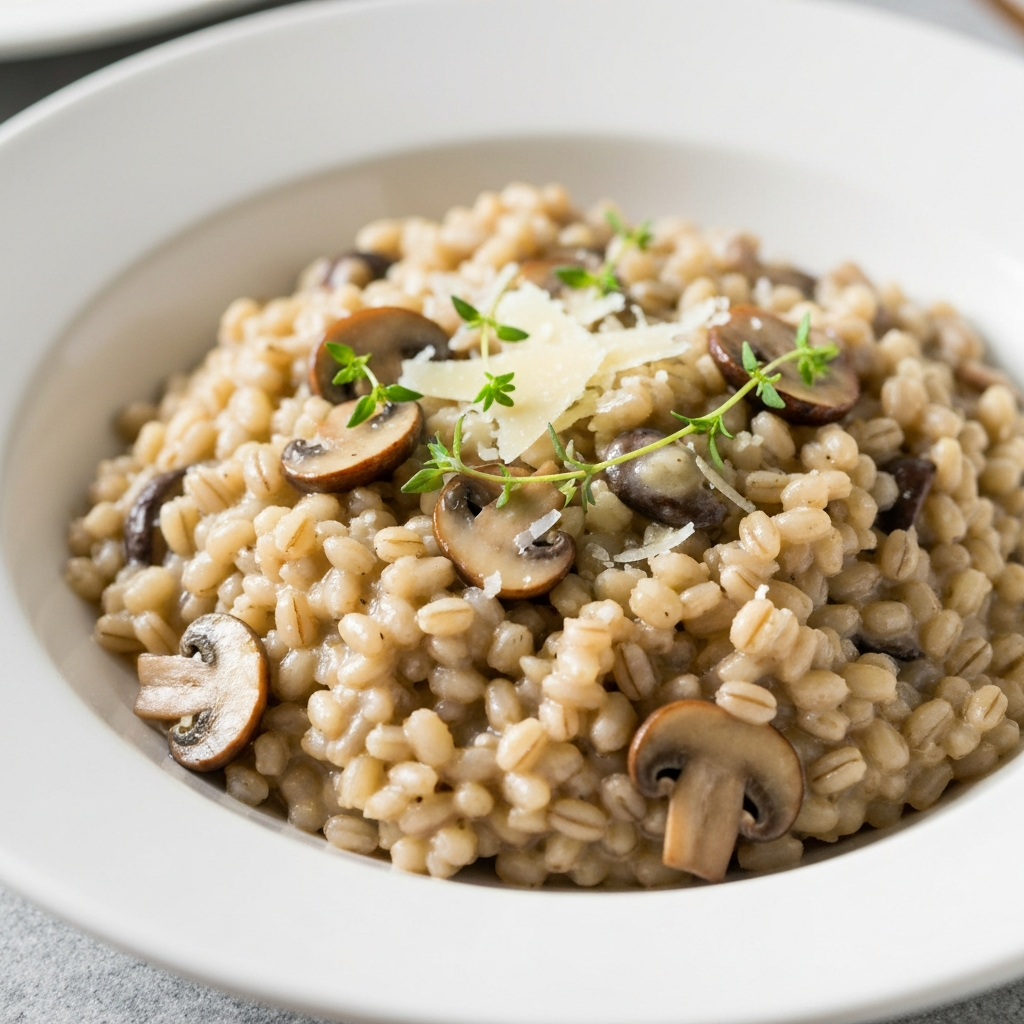 |  |
| 2 |  |  |  |  |
| 3 |  |  | 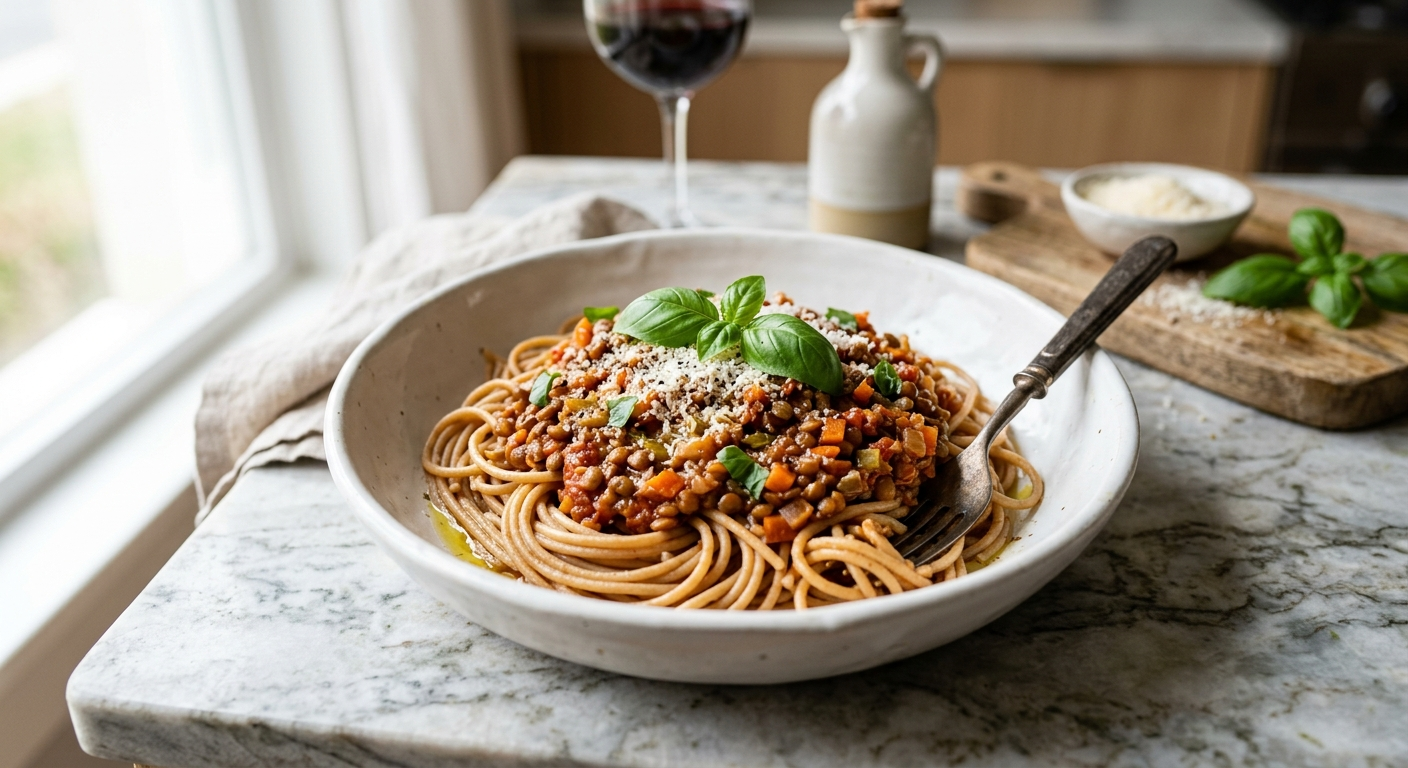 |  |
| 4 |  |  | 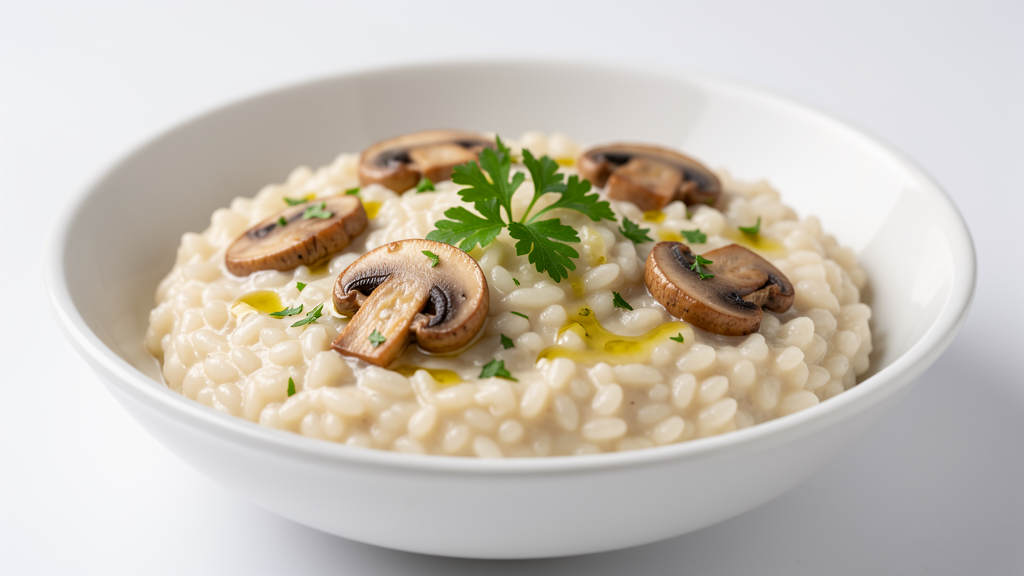 | 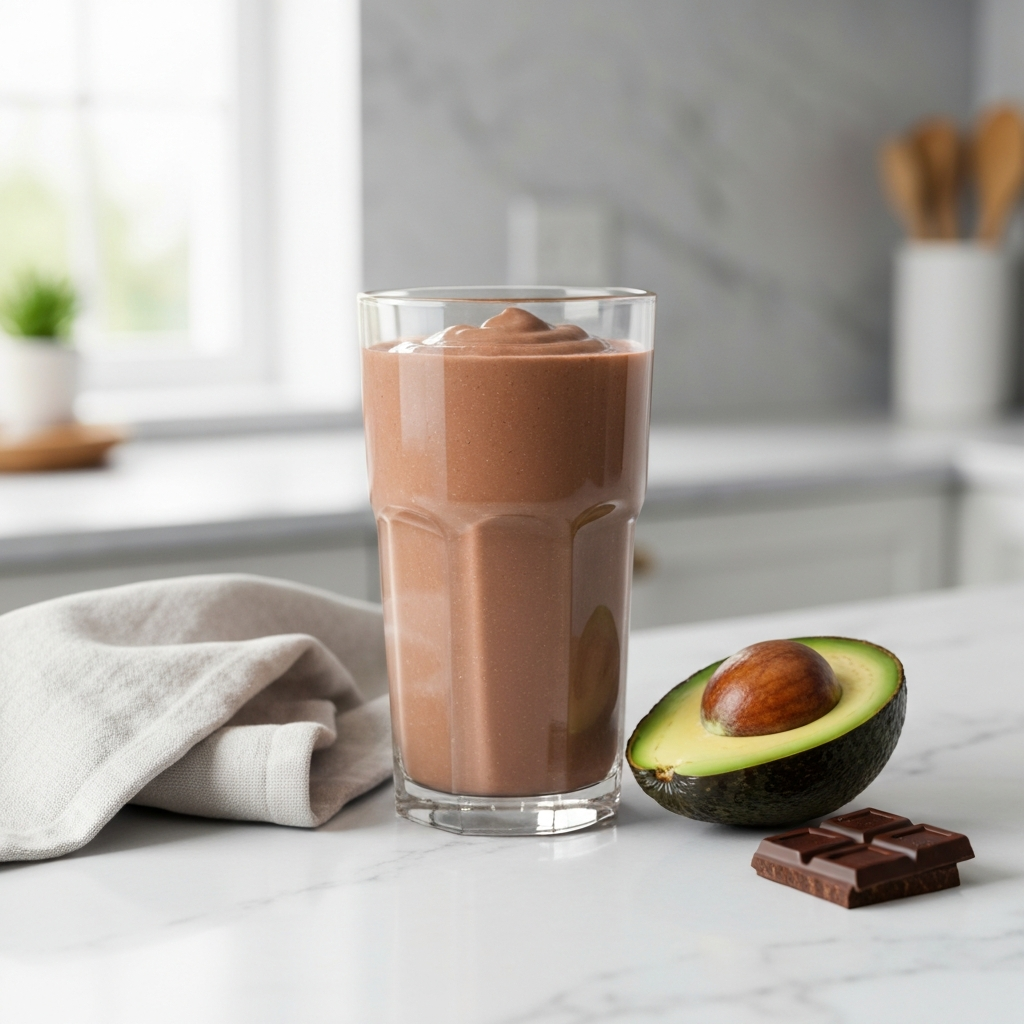 |
| 5 | 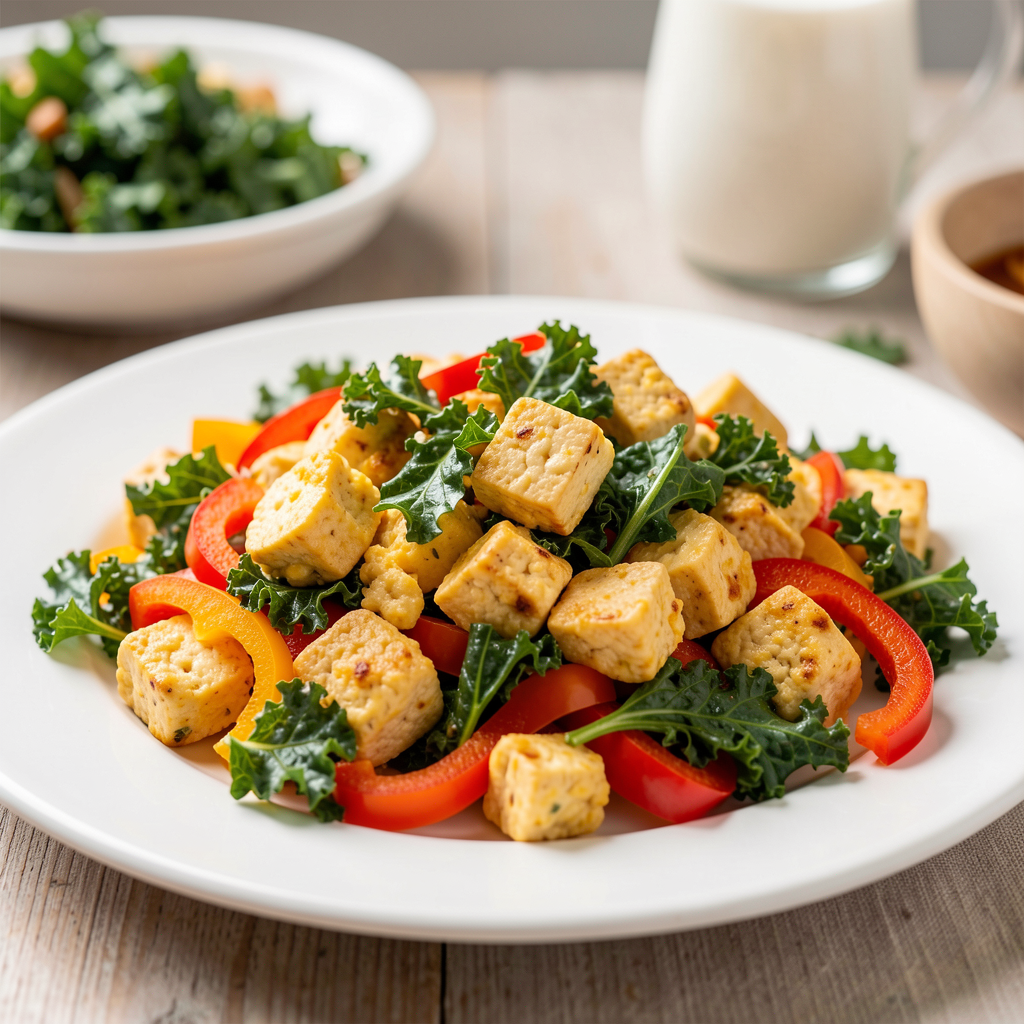 | 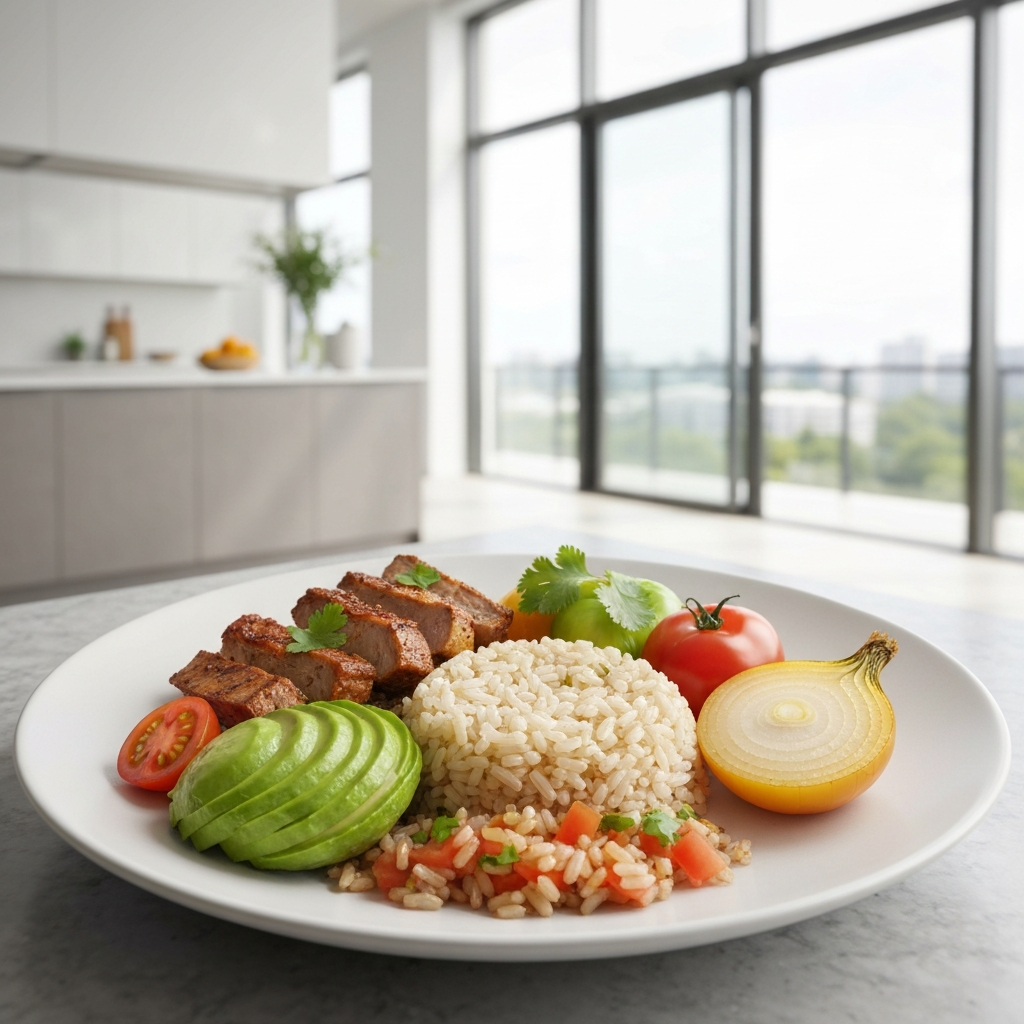 | 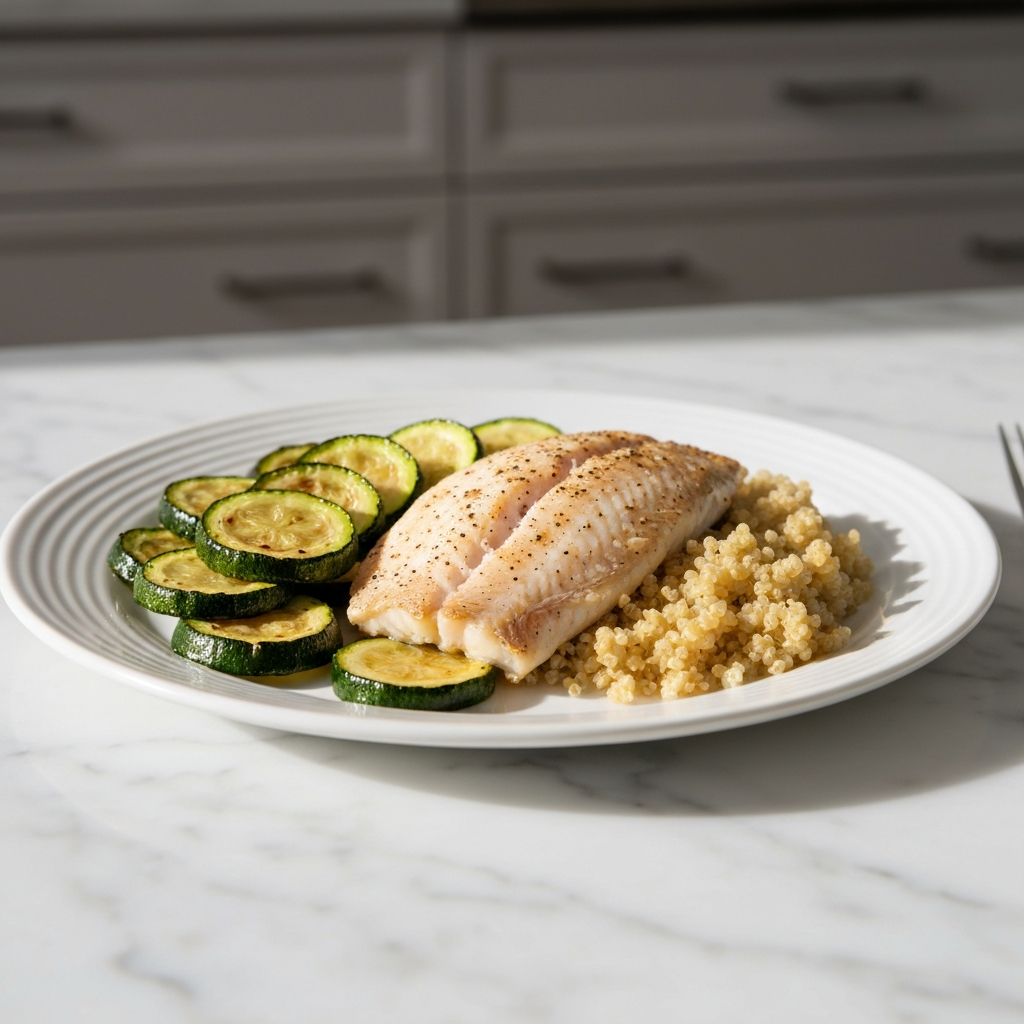 | 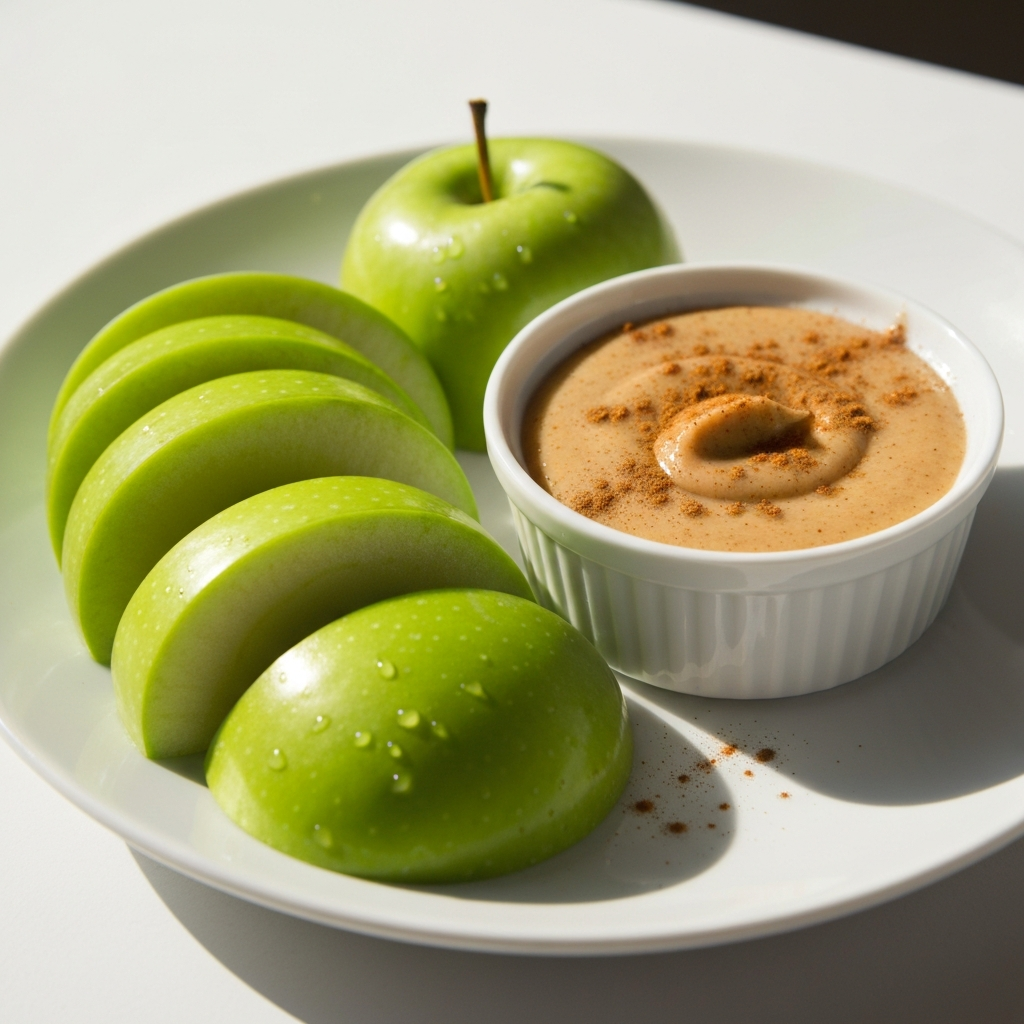 |
| 6 |  | 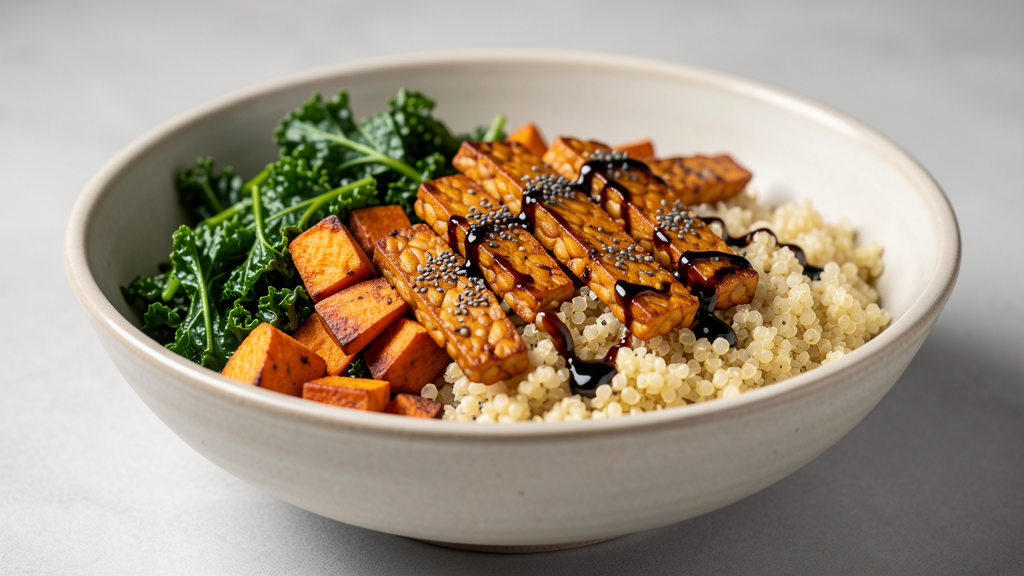 |  | 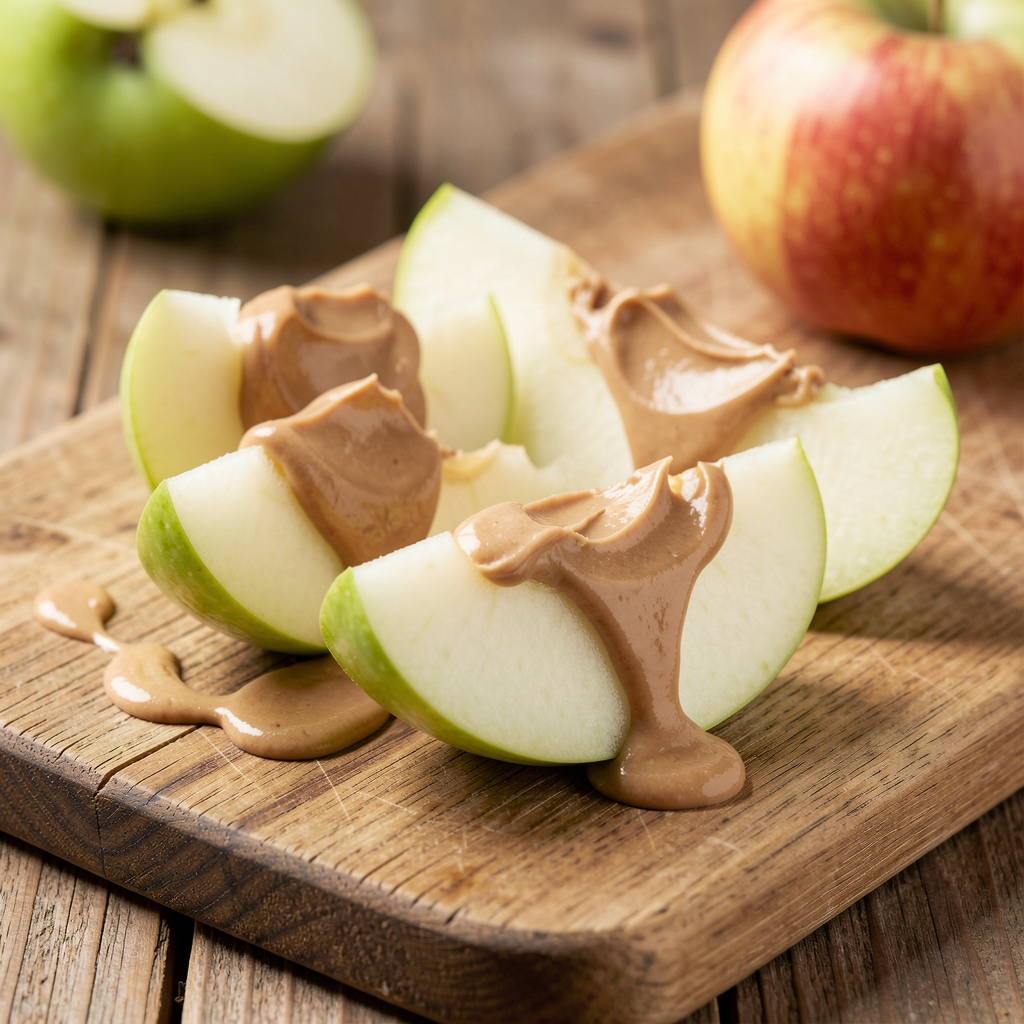 |
| 7 | 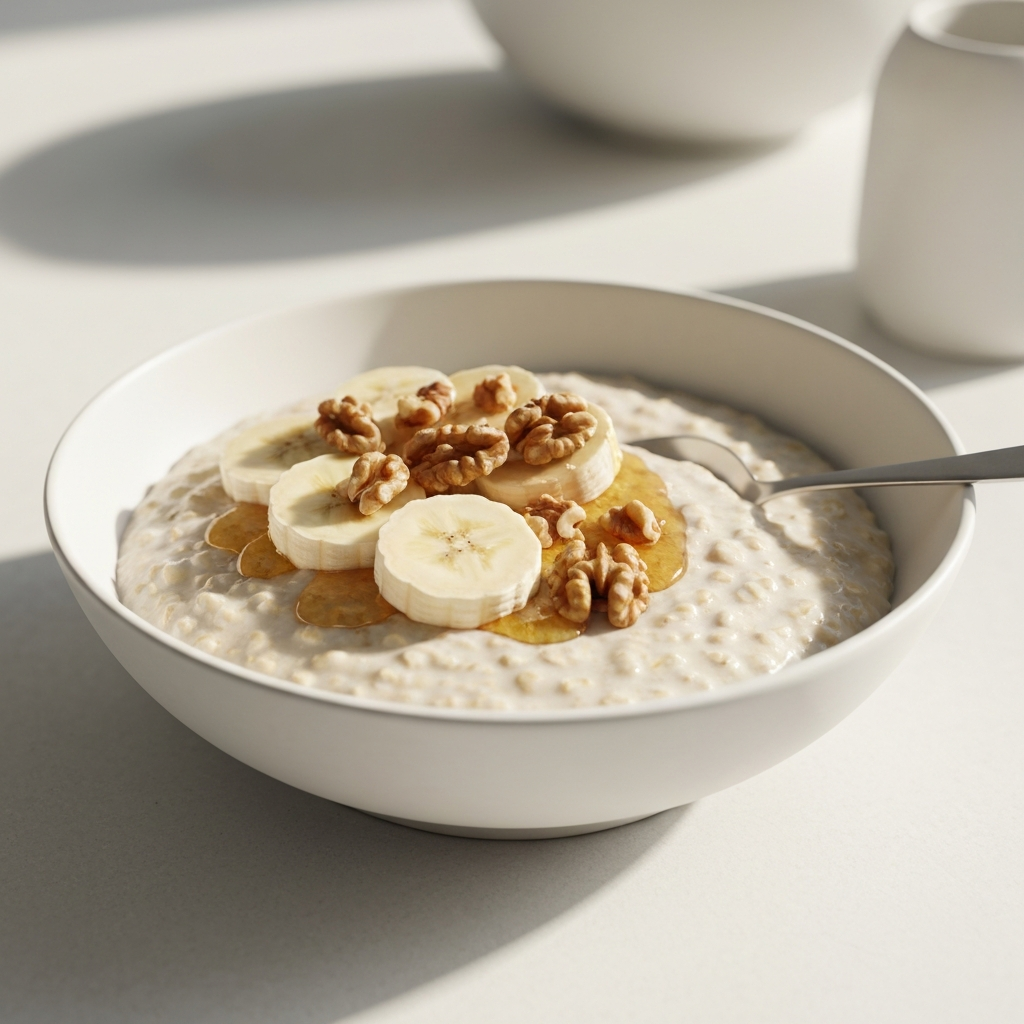 |  | 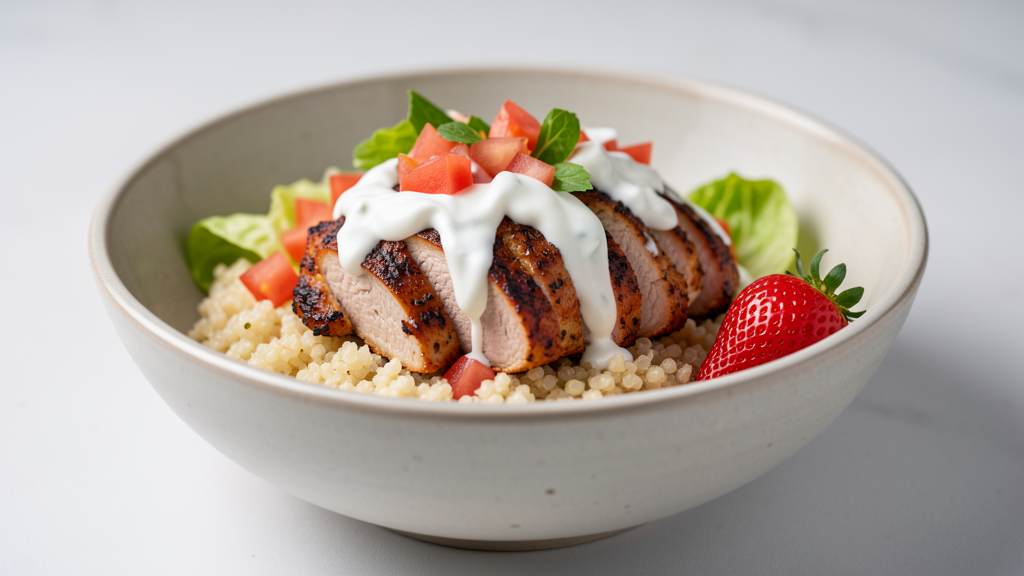 |  |
Day 1 at a glance
Day 2 at a glance
Day 3 at a glance
Day 4 at a glance
Day 5 at a glance
Day 6 at a glance
Day 7 at a glance
Every recipe in this plan comes with detailed calorie counts, complete nutrition breakdown — protein, fat, carbs, fiber and key vitamins — plus step-by-step cooking instructions. You always know exactly what your loved one is eating.
Every ingredient, buyable
Every ingredient in your shopping list is matched to a real product page on Amazon or Walmart — with live prices, so you can order the whole list in one click.
Every recipe is simple
All 28 recipes in this plan are rated easy or medium — none are hard. 71% are rated easy, averaging about 18 minutes and just 3 steps.
Step-by-step instructions
Every recipe comes with full cooking instructions, serving size and nutrition info — no guessing, no complicated techniques.
Stop guessing what to cook.
Answer a few questions about your loved one — their condition, age, allergies and preferences — and get a personalized, research-backed 7-day menu. Free.
🍽 Build Your Personalized Meal PlanFood and medications
If your loved one takes prescription medications, food can change how well they work. These evidence-based guides explain the timing rules and which foods to review with the doctor or pharmacist.
Diabetes medications and food
Metformin with meals, alcohol caution, and the eating patterns that support glucose control.
GLP-1 weight-loss medications and food
Oral semaglutide's empty-stomach rule and what the latest trials say.
What foods are good for someone with type 2 diabetes?
The ADA recommends low-glycemic-index carbohydrates, non-starchy vegetables, whole fruits, legumes and whole grains, with limited added sugars and refined grains. Our 7-day plan turns those guidelines into realistic meals for seniors.
How much does NutriHearth cost?
Start with a one-month free trial. After the trial, a paid subscription ($5/month) is required unless you cancel. We believe nutrition support shouldn't be a burden on caregivers.
Can I use it for other conditions?
Yes — we cover 21+ conditions including type 2 diabetes, hypertension, heart failure, chronic kidney disease (CKD), dysphagia (swallowing difficulty), COPD, Parkinson's, frailty, pressure ulcers and more.
Can I talk to the app instead of filling forms?
Yes. NutriHearth has a built-in AI assistant — type or speak your question (voice works in 5 languages) and it can generate the menu, explain why a meal fits your loved one's condition, and adjust the plan when you ask.
Does the app check food–drug interactions?
Yes. If you list the medications your loved one takes, the plan highlights foods that may interact with them — for example grapefruit with statins, or protein timing with levodopa — so you can raise it with the prescribing doctor or pharmacist.
Can I buy the ingredients directly?
Yes. Every ingredient in your shopping list is matched to a real product page on Amazon or Walmart with live prices — so you can order the whole list without hunting the store.
Is this medical advice?
No. NutriHearth is a nutrition support tool, not a substitute for clinical guidance. Always consult a physician or registered dietitian before making significant dietary changes.